


The Best Organic Spice Rubs for Summer Grilling (4 Homemade Recipes)
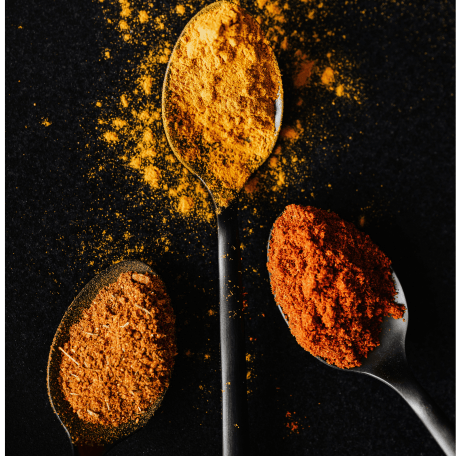
The fastest way to upgrade anything off the grill isn't a fancier marinade or a pricier cut - it's a good dry rub. A few tablespoons of the right spices builds a deep, savoury crust that sauce alone can't touch, and once you mix your own from fresh organic spices, you'll never go back to the dusty supermarket jar.
Below are four organic rubs to carry you through grilling season - for ribs, chicken, fish, and vegetables - plus the ratios so you can scale them up for a crowd. Everything you need is here, and there's a grab-and-go shortcut at the end for the nights you don't feel like measuring.
Why a dry rub beats a bottled sauce
A dry rub does three things a squeeze-bottle sauce can't:
- It builds a crust. Spices and a little sugar caramelize against the heat to form that dark, flavourful bark on the outside of the meat.
- It seasons all the way through. Rubbed on ahead of time, salt and spice draw into the surface instead of sliding off.
- It won't burn as fast. Most sweet barbecue sauces scorch over direct heat. A rub holds up, so you can sauce at the very end if you want both.
A few rules before you start
- Salt is the backbone. Most balanced rubs run roughly 2 parts salt to 1 part sugar, then spices on top.
- Sugar = colour and crust. A little goes a long way and helps the bark form. Skip or reduce it for fish.
- Rub, then rest. Apply at least 30 minutes ahead - overnight in the fridge is even better for ribs and larger cuts.
1. Classic BBQ Rib Rub
The all-purpose workhorse. Sweet, smoky, a little heat — perfect on pork ribs, pulled pork, or chicken thighs.
- 2 tbsp brown sugar (browse organic sugars)
- 1 tbsp Organic Smoked Paprika
- 1 tbsp Organic Garlic Salt
- 2 tsp Organic Black Pepper
- 2 tsp Organic Onion Powder
- 1 tsp Organic Ground Cumin
- 1 tsp Organic Sweet Paprika
- ½ tsp Organic Crushed Cayenne (optional, for heat)
Use it on: ribs, pork shoulder, chicken. Pat the meat dry, coat generously, and rest 1–24 hours before grilling.
2. Lemon-Herb Chicken & Fish Rub
Bright, fresh, and lower on the sugar - built for poultry and seafood you don't want to overpower.
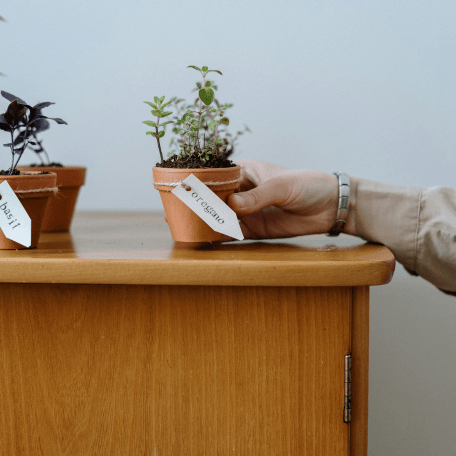
- 1 tbsp Organic Oregano
- 1 tbsp Organic Thyme
- 2 tsp Organic Garlic Salt
- 2 tsp dried lemon zest (or zest of 1 fresh lemon)
- 1 tsp Organic Black Pepper
- 1 tsp Organic Dry Mustard (adds a gentle tang)
Use it on: chicken breasts, whole fish, salmon, shrimp. For fish, 20–30 minutes of resting is plenty.
3. Smoky Veggie & Halloumi Rub
Grilled vegetables deserve as much seasoning as the meat. This one clings to oil-brushed zucchini, peppers, corn, mushrooms, and halloumi.
- 1 tbsp Organic Smoked Paprika
- 2 tsp Organic Garlic Salt
- 2 tsp Organic Ground Cumin
- 1 tsp Organic Onion Powder
- ½ tsp Organic Crushed Cayenne
Use it on: any grilled vegetable, halloumi, tofu, or cauliflower steaks. Toss veg in a little oil first so the rub sticks.
4. No-Mixing Shortcut: Ready-Made Blends
Some nights you just want to season and grill. These organic blends are built for exactly that:
- Organic Cajun Seasoning — bold and smoky on shrimp, wings, and grilled corn.
- Organic Taco & Fajita Seasoning — turns grilled chicken, steak, and peppers into a fajita platter.
- Italian Seasoning — herby and bright on chicken, veggies, and halloumi.
Just toss your protein or veg in a little oil, coat with 2–3 tbsp of the blend, rest, and grill.
How to apply a rub the right way
- Pat it dry. A dry surface lets the rub grip and crust up. Moisture steams instead of sears.
- Lightly oil if needed. For lean cuts and vegetables, a thin coat of oil helps the rub adhere.
- Be generous, then press. Sprinkle on, then press the rub into the surface with your hands.
- Rest before the grill. 30 minutes minimum; overnight for ribs and roasts.
- Sauce at the end (optional). If you like sticky-sweet, brush sauce on only in the last few minutes so it doesn't burn.
How to store your homemade rubs
Mix a double or triple batch and keep it ready all summer. Store rubs in an airtight jar, away from heat and light - not on the windowsill above the stove. Fresh organic spices keep their punch for 3–4 months; buying in the size you'll actually use means every batch tastes vivid. Label the jar with the blend name and the date you mixed it.
Frequently asked questions
How long should a dry rub sit before grilling? At least 30 minutes so the salt can start working into the surface. For ribs, pork shoulder, and other big cuts, rubbing the night before and resting in the fridge gives the deepest flavour and best crust.
Do I need sugar in a BBQ rub? Not always, but a little sugar helps form that dark, caramelized bark and balances salt and heat. Reduce or skip it for delicate fish, where you want the spices to lead.
Can I make these rubs without any heat? Yes — simply leave out the cayenne and the blends still taste great. Build heat back in gradually to your own preference.
What's the difference between a rub and a marinade? A rub is a dry spice mix that forms a crust and seasons the surface; a marinade is a wet, usually acidic soak that tenderizes and flavours throughout. You can use both — rub after patting the meat dry from a marinade.
Are organic spices actually better for rubs? Flavour comes down to freshness and quality. Organic spices, ground close to when you use them, give a noticeably brighter, more aromatic rub than older pre-ground supermarket jars.
Ready to mix your own? Stock your summer spice drawer from our organic herbs & spices and seasonings - sourced clean, shipped fresh across Canada.